

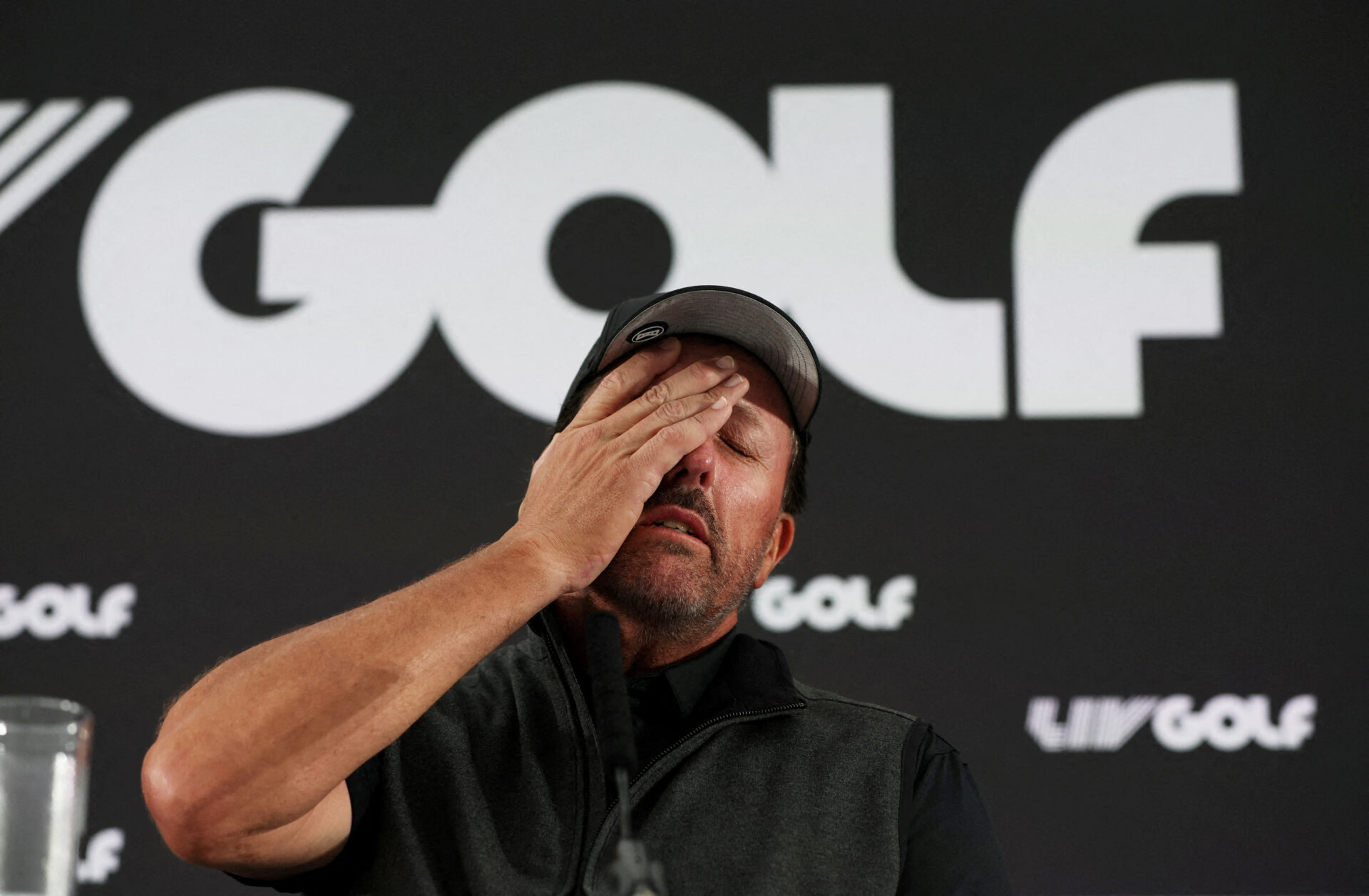

The era of massive, guaranteed checks from Saudi Arabia is dead. LIV Golf’s recent bankruptcy filing proves the burn rate was unsustainable. The league lost $3 billion in the U.S. and another $2 billion in the U.K. through the end of 2025. It’s a staggering loss. The breakaway circuit is now trying to reinvent itself as LIV 2.0, but the foundation is shaky. The big question isn’t about the money in the bank. It’s about whether the players will stick around to see the new version through.
The massive debt to the roster
The numbers in the filing are hard to swallow. LIV Golf owes its players at least $45.5 million. This isn’t just some small administrative error. The top creditors include 14 players. Jon Rahm is owed $7.5 million. Bryson DeChambeau is owed $5.8 million, while Dustin Johnson is owed $5.5 million. Cameron Smith is also high on the list at $4.8 million. It’s a lot of money to leave hanging in the air. The league is now trying to settle these debts through a restructure. ESPN reports that the huge contracts intended to attract golfers from the PGA Tour “do not reflect the contemplated compensation structure” for this new era.
A $300 million lifeline with strings attached
There is a glimmer of hope, but it comes with heavy conditions. BC Partners committed to putting $300 million into the next version of the circuit. However, this money is tied to equity and stock. The league also needs the players to show up. Per Golf Monthly, the deal requires a specific number of players to agree to the restructuring. Specifically, 50% of players with claims must sign up. These players must also pay for two-thirds of the total dollar amount in claims. The clock is ticking fast. Players have until roughly October 13 to make their move. If the big names walk, the $300 million disappears.
The struggle for a profitable model
The math just hasn’t worked out for the current model. In its filings, the company noted it continually ran at an operational loss and was still years away from projected stand-alone profitability. The path to profitability was always a long-term strategy. The league is essentially trying to rebuild a house while the foundation is being renegotiated. Instead of cash, players might get the return of certain NIL rights and roughly 30% ownership in teams as recovery for their claims.
