
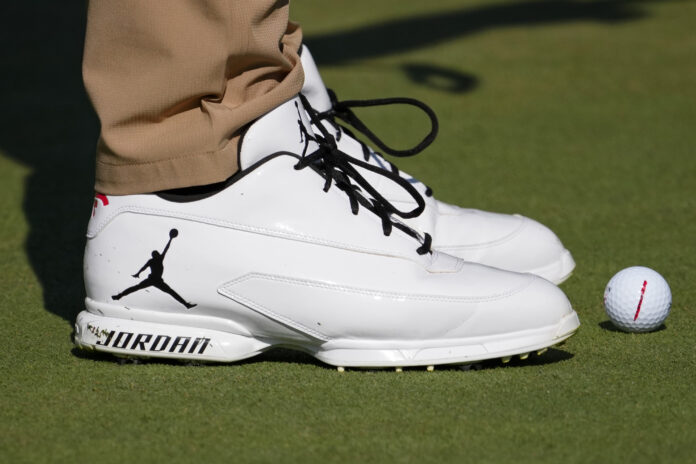
The biggest myth in golf footwear is that metal or soft spikes always beat spikeless soles when the ground turns to mud. This belief drives thousands of players to wear heavy, clunky shoes they hate, thinking it is the only way to stay safe. The truth is far different and completely changes the game for the average weekend warrior. Modern spikeless shoes often provide superior grip in wet conditions compared to traditional spiked models.
Testing from Golf Monthly reveals that the strategic placement of dimples on spikeless outsoles creates a wider surface area that bites into soft turf better than narrow cleats. While spikes dig deep, they can also slip sideways on slick, saturated grass. Spikeless designs spread the load, preventing the foot from sliding during the swing. This advantage is most visible on hilly courses where stability matters more than raw power.
The Hidden Cost of Traditional Cleats
Many golfers stick with spiked shoes because they fear slipping, yet they ignore the maintenance headaches that come with them. Mud, grit, and grass readily collect within the cleat holes, particularly when the course is wet. This debris reduces traction exactly when the player needs it most. Spiked models also require regular cleaning to keep the soft cleats from breaking or wearing down too fast.
Weight is another major factor that often gets overlooked by players who prioritize feel. Although spiked shoes are lighter than they used to be, they remain generally heavier than most spikeless models. That extra weight adds up over 18 holes, leading to leg fatigue by the time the round ends. For golfers who play year-round, this fatigue can hurt the swing speed and accuracy in the back nine.
Comfort varies wildly depending on the season and the course conditions. In summer, when the ground is firm and dry, a spiked model might not be as comfortable as a lighter option. The hard plastic cleats can feel stiff and unyielding on dry fairways. Spikeless shoes, with their sneaker-like soles, adapt better to these firm conditions without sacrificing stability.
Why Versatility Wins on the Course
The real game-changer for many golfers is the ability to wear the same shoes from the car to the clubhouse. Many golfers find the sneaker-like appearance of spikeless models quite appealing. You can proceed straight from the vehicle to the course and clubhouse surrounding your round without swapping shoes. This convenience saves time and reduces the hassle of carrying extra gear.
Spiked models lack this kind of versatility for off-course wear. No matter how good the latest models look, they are not well suited for popping out for a quick nine without changing shoes. The cleats can damage indoor floors and feel awkward on pavement. This limitation forces players to carry two pairs of shoes if they want to walk the course and then grab a drink afterward.
Golf Monthly notes that many golfers keep multiple pairs on hand, especially those who play across various terrains and weather types. However, the trend is shifting toward a single, high-quality spikeless pair that handles most conditions. The technology has improved so much that the gap between spiked and spikeless performance has narrowed significantly.
For the golfer who values comfort and ease, the spikeless option is often the top choice in the summer months. The absence of cleats means less debris accumulation and a lighter step. Although debris may still build up in the outsole, clearing it is far easier than dealing with the deep holes in spiked soles.
When the ground turns treacherous in winter, spiked shoes still have a place, particularly around tee boxes. Yet, for the majority of the year and most course conditions, the modern spikeless sole offers a better balance of grip and comfort. The data shows that the old rule of “spikes for rain” no longer holds true for every player.